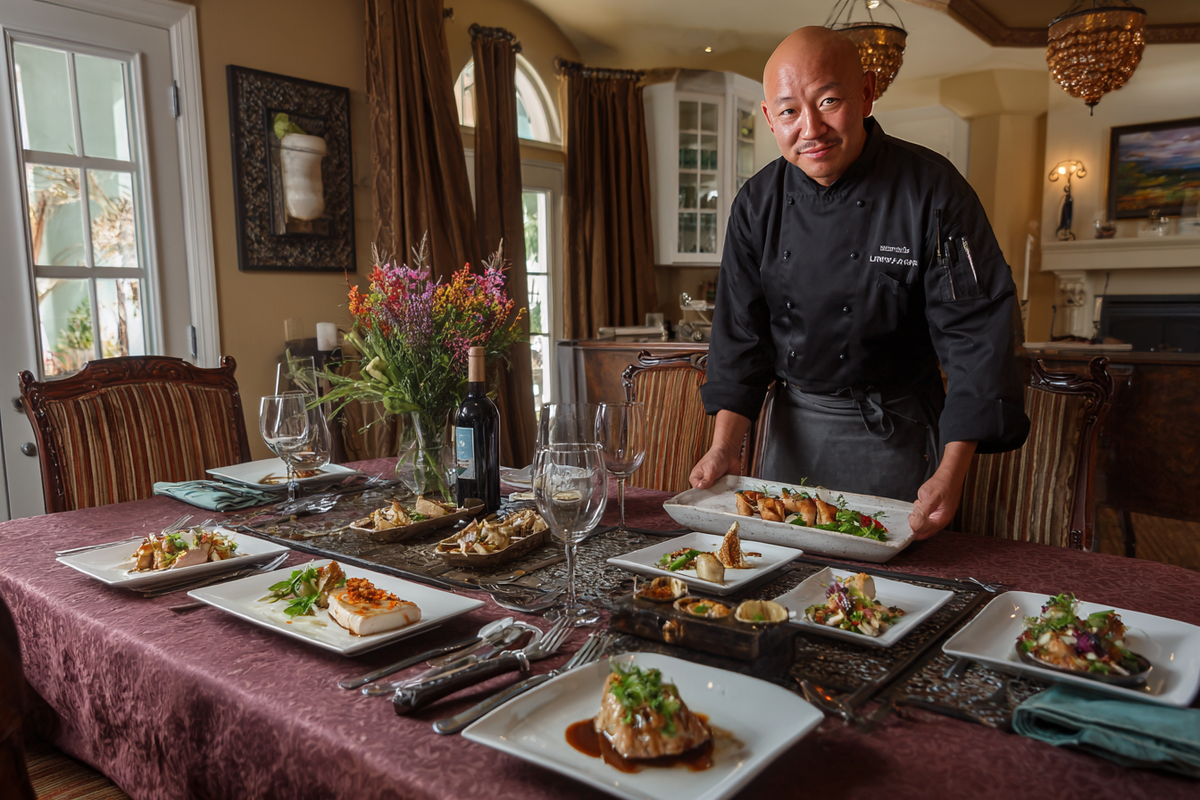
One of the most challenging aspects of running a private chef business is determining how to price your services. Price too low, and you'll struggle to make a sustainable income while undervaluing your expertise. Price too high without proper positioning, and you may struggle to attract clients. Finding the sweet spot requires understanding your market, knowing your worth, and implementing strategic pricing models.
In this comprehensive guide, we'll explore proven pricing strategies that successful private chefs use to maximize profits while delivering exceptional value to their clients.
Understanding the Psychology of Pricing
Before diving into specific strategies, it's crucial to understand that pricing is as much psychological as it is mathematical. Your prices communicate value to potential clients. Premium pricing signals quality, exclusivity, and expertise. Conversely, prices that are too low can actually deter high-quality clients who associate low prices with inferior service.
Successful private chefs recognize that they're not just selling food—they're selling an experience, convenience, expertise, and peace of mind. Your pricing should reflect the full value of what you provide.
Common Pricing Models for Private Chefs
Private chefs typically use one or more of these pricing models:
1. Hourly Rate Pricing
Charging by the hour is straightforward and works well for dinner parties, cooking instruction, or consultations. Hourly rates for private chefs typically range from $50 to $200+ depending on experience, location, and specialization.
Pros: Easy to understand, flexible for different services
Cons: Doesn't reward efficiency, can undervalue complex preparations
When to use: Short-term services, cooking lessons, consulting, or when scope is uncertain
2. Per-Person Pricing
Charging per person is common for dinner parties and events. Rates typically range from $75 to $300+ per person depending on menu complexity and service level.
Pros: Scales naturally with party size, clients understand the model
Cons: Can be limiting for very small or large groups
When to use: Dinner parties, special events, group cooking classes
3. Day Rate or Flat Fee
A day rate covers all your time for a specific service, regardless of hours worked. Private chef day rates typically range from $400 to $1,500+.
Pros: Rewards efficiency, provides income certainty, easier to manage
Cons: Requires accurate time estimation, may lose money on unexpectedly complex jobs
When to use: Meal prep services, full-day events, retainer arrangements
4. Package Pricing
Packages bundle services together at a set price. For example, a "Weekly Wellness Package" might include menu consultation, shopping, and five days of prepared meals for $800.
Pros: Higher perceived value, encourages commitment, predictable revenue
Cons: Requires careful cost calculation, less flexibility
When to use: Ongoing meal prep, subscription services, regular clients
5. Value-Based Pricing
This advanced strategy prices based on the value delivered to the client rather than time or cost. A busy executive might pay $2,000/week for meal prep because it saves them 10+ hours and supports their health goals.
Pros: Highest profit potential, aligns with true client value
Cons: Requires deep understanding of client needs, harder to standardize
When to use: High-end clients, specialized services, transformational outcomes
Calculating Your Minimum Viable Rate
Before setting prices, calculate the minimum you need to earn to make your business sustainable:
- Calculate Monthly Expenses: Include business costs (insurance, supplies, marketing) and personal living expenses
- Determine Billable Hours: Realistically, how many hours per month can you work for clients? (Remember to account for shopping, prep, travel, admin)
- Add Profit Margin: Don't forget to pay yourself and reinvest in your business (aim for at least 20-30% profit margin)
- Calculate Minimum Rate: Divide total monthly needs by billable hours
For example:
- Monthly expenses: $4,000
- Billable hours: 80 hours/month
- Minimum rate: $50/hour
- With 25% profit margin: $62.50/hour
This is your floor—you should charge more than this minimum, not less.
Strategic Pricing Techniques to Maximize Profits
1. Tiered Service Offerings
Create multiple service tiers at different price points. This gives clients options while subtly anchoring them to higher-value packages.
Example structure:
- Basic Package: $600/week - 5 days of simple, healthy meals
- Premium Package: $900/week - 5 days of gourmet meals with dietary customization
- Luxury Package: $1,500/week - 7 days of restaurant-quality meals, grocery shopping, kitchen organization
Most clients will choose the middle option, and some will splurge for the luxury tier. This generates more revenue than offering a single option.
2. Add-On Services
Offer base services at competitive rates, then provide premium add-ons:
- Grocery shopping: +$75
- Custom menu development: +$150
- Cooking instruction while preparing: +$100/hour
- Special occasion plating: +$50
- Kitchen organization: +$100
Add-ons increase average transaction value and allow clients to customize their experience.
3. Premium Positioning
If you have strong credentials, unique specializations, or serve an affluent market, consider positioning yourself as a premium service from the start.
Premium positioning strategies:
- Emphasize exclusive or rare skills (Michelin-trained, specialized dietary expertise)
- Showcase high-profile clients or impressive credentials (with permission)
- Limit availability ("I only take 5 clients per month")
- Invest in premium branding and presentation
- Price in the top 20% of your market
Premium pricing attracts clients who value quality over cost and are often easier to work with.
4. Seasonal and Dynamic Pricing
Adjust prices based on demand:
- Peak seasons (holidays, wedding season): Increase rates 20-50%
- Off-peak periods: Offer modest discounts to maintain cash flow
- Last-minute requests: Charge premium rates for rush services (24-48 hour notice)
- Long-term commitments: Offer slight discounts for clients who commit to 3+ months
5. Retainer Models
Encourage ongoing relationships with retainer pricing. Clients pay a monthly fee for guaranteed availability and a set number of services.
Example: $3,000/month retainer includes:
- 4 meal prep sessions
- 2 dinner parties
- Unlimited menu consultation
- Priority scheduling
Retainers provide predictable revenue and deeper client relationships.
Common Pricing Mistakes to Avoid
Mistake #1: Competing on Price Alone
Racing to the bottom on price attracts bargain hunters who won't be loyal and won't value your expertise. Instead, compete on quality, specialization, and service.
Mistake #2: Not Factoring in All Costs
Remember to include:
- Ingredient costs
- Travel time and fuel
- Shopping time
- Prep and cleanup
- Equipment wear and tear
- Packaging and containers
- Administrative time
- Taxes and business expenses
Many new private chefs forget to account for unpaid time, leading to unsustainably low effective hourly rates.
Mistake #3: Failing to Raise Prices
Your prices should increase as you gain experience, credentials, and testimonials. Review and adjust your pricing every 6-12 months. Existing clients can be grandfathered at current rates for a period, while new clients pay updated rates.
Mistake #4: Not Communicating Value
Price resistance often stems from unclear value. Always articulate what clients receive:
- "This package saves you 10 hours per week and ensures your family eats nutritious, delicious meals every day"
- "My specialized training in allergen-free cooking means you can trust that every meal is safe for your child"
- "With 15 years of fine dining experience, you're getting restaurant-quality meals in the comfort of your home"
Mistake #5: Inconsistent Pricing
Establish clear pricing structures and stick to them. Making ad-hoc deals or frequent discounts devalues your services and creates pricing confusion.
How to Increase Your Rates Without Losing Clients
When it's time to raise prices:
- Give Advance Notice: Inform existing clients 30-60 days before implementing increases
- Explain the Reasons: New certifications, increased costs, expanded services, greater demand
- Grandfather Loyal Clients: Offer current clients a transition period at old rates
- Add Value: When raising prices, consider adding small perks to soften the increase
- Be Confident: Communicate price increases professionally and without apology
Final Thoughts
Pricing your private chef services effectively is both an art and a science. It requires understanding your costs, knowing your market, recognizing your value, and having the confidence to charge accordingly.
Remember: the right clients will pay premium prices for exceptional service and expertise. Your goal isn't to be the cheapest option—it's to be the best value for your ideal client. With thoughtful pricing strategies, you can build a profitable private chef business that compensates you fairly for your expertise while delivering tremendous value to your clients.
0 Comments