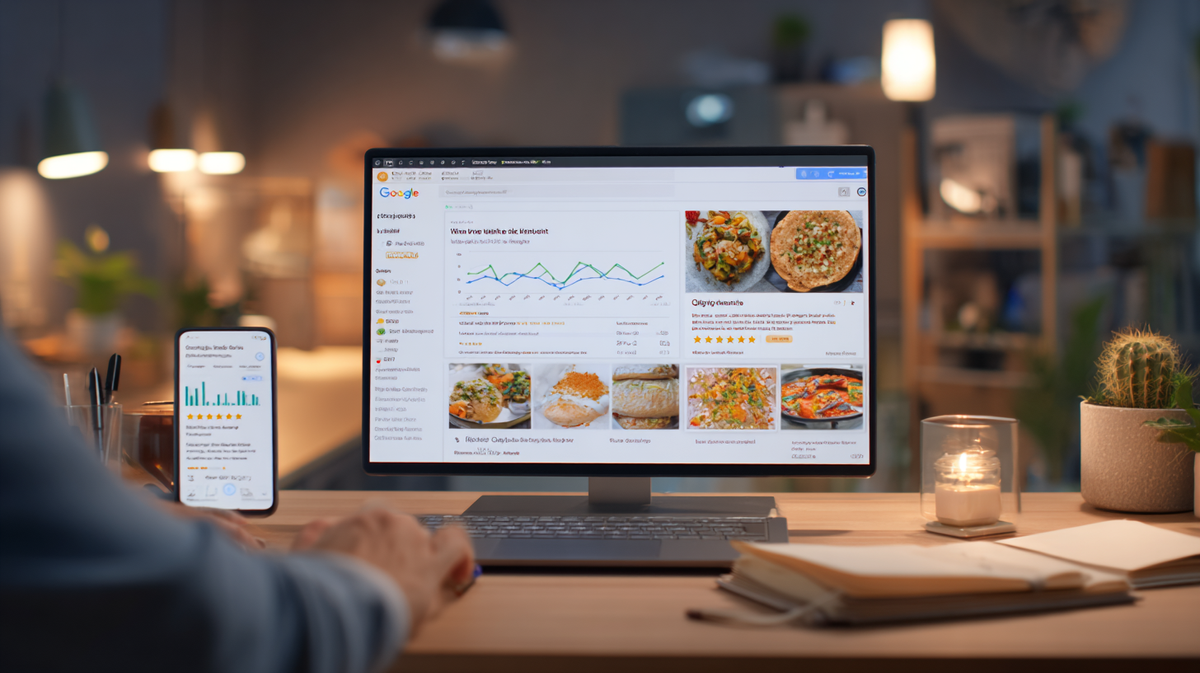
In today's digital world, having a beautiful website for your private chef business isn't enough—people need to be able to find it. SEO for Private Chefs is how you ensure your website appears when potential clients search for private chef services. This guide will teach you practical SEO strategies to rank higher in search results and attract more organic leads.
Why SEO Matters for Private Chefs
Local Search Dominance: Most people search "private chef near me" or "private chef in [city]". Good SEO puts you at the top of these results.
Cost-Effective Marketing: Unlike paid ads, organic search traffic is free once you rank well.
Quality Leads: People finding you through search are actively looking for your services—they're high-intent prospects.
Long-Term Asset: Good SEO builds over time, creating lasting visibility for your business.
Competitive Advantage: Most private chefs don't optimize their sites—you can easily outrank them.
Understanding How Google Works
The Basics
Google's goal is to show the most relevant, helpful results for each search. It considers:
Relevance: Does your content match what people are searching for?
Authority: Is your site trustworthy and credible?
User Experience: Is your site fast, mobile-friendly, and easy to use?
Local Signals: For local searches, proximity and local relevance matter.
The Three Pillars of SEO
- On-Page SEO: Optimizing your website content and structure
- Off-Page SEO: Building authority through backlinks and mentions
- Technical SEO: Ensuring your site is fast, secure, and crawlable
SEO for Private Chefs: Keyword Research
Finding the Right Keywords
Primary keywords (high search volume, high competition):
- "private chef [city]"
- "personal chef [city]"
- "hire a private chef"
- "private chef services"
Long-tail keywords (lower volume, lower competition, higher intent):
- "private chef for dinner party [city]"
- "vegan private chef [city]"
- "meal prep chef near me"
- "private chef for weekly meals"
- "gluten-free personal chef [city]"
Question keywords (great for content):
- "how much does a private chef cost"
- "what does a private chef do"
- "how to hire a private chef"
- "private chef vs meal delivery"
Keyword Research Tools
Free tools:
- Google Keyword Planner
- Google Search Console
- Answer The Public (question-based keywords)
- Google autocomplete (start typing, see suggestions)
Paid tools (worth the investment):
- Ahrefs ($99/month)
- SEMrush ($119/month)
- Ubersuggest (affordable option)
Keyword Strategy
Homepage: Target main keyword ("private chef [city]")
Service pages: Target specific services ("meal prep chef [city]", "dinner party chef [city]")
Blog posts: Target long-tail and question keywords
Location pages (if serving multiple areas): Target "private chef [neighborhood/suburb]"
SEO for Private Chefs: On-Page Optimization
Title Tags
Your page title is the most important on-page SEO element.
Formula: Primary Keyword + Modifier + Location + Brand
Examples:
- "Private Chef in Boston | Healthy Meal Prep | Chef Sarah Smith"
- "Hire a Personal Chef in Austin | Farm-to-Table Meals | GreenPlate Chef"
- "Vegan Private Chef NYC | Plant-Based Meal Services | Chef Maria"
Best practices:
- Keep under 60 characters (or it gets cut off)
- Include primary keyword near the beginning
- Make it compelling (people need to want to click)
- Include location for local SEO
Meta Descriptions
While not a direct ranking factor, good meta descriptions improve click-through rates.
Formula: Benefit + Service + Location + Call to Action
Example: "Experience restaurant-quality meals at home with Boston's premier private chef. Specialized in dietary-specific meal prep and intimate dinner parties. Book your free consultation today!"
Best practices:
- 150-160 characters ideal
- Include primary keyword naturally
- Create urgency or appeal to emotion
- Include clear call-to-action
Header Tags (H1, H2, H3)
Headers structure your content and signal importance to Google.
H1 (one per page): Main topic, include primary keyword
- "Private Chef Services in Seattle"
- "Hire a Personal Chef for Healthy Meal Prep"
H2s: Main sections, include related keywords
- "Weekly Meal Preparation Services"
- "Intimate Dinner Party Catering"
- "Specialized Dietary Meal Planning"
H3s: Subsections
- "Vegan and Plant-Based Options"
- "Keto and Low-Carb Meal Prep"
Content Optimization
Keyword placement:
- Include primary keyword in first 100 words
- Use naturally throughout content (2-3% density)
- Include related keywords and synonyms
- Use location-specific terms
Content length:
- Homepage: 500-800 words
- Service pages: 800-1,200 words
- Blog posts: 1,500-2,500 words
- Longer, comprehensive content tends to rank better
Content quality checklist:
- Answers the search intent completely
- Original, not copied
- Well-written and error-free
- Includes images and formatting for readability
- Provides unique value
Image Optimization
File names: Use descriptive, keyword-rich names
- Good: "boston-private-chef-dinner-party.jpg"
- Bad: "IMG_1234.jpg"
Alt text: Describe the image, include keywords naturally
- "Private chef in Boston preparing farm-to-table dinner party meal"
Compression: Use tools like TinyPNG to reduce file size without losing quality
Format: WebP for best compression, JPEG for photos, PNG for graphics
Internal Linking
Link between your pages to help Google understand site structure and spread authority.
Best practices:
- Link from homepage to key service pages
- Link from blog posts to relevant service pages
- Use descriptive anchor text ("meal prep services" not "click here")
- 3-5 internal links per page
SEO for Private Chefs: Local SEO Strategies
Local SEO is crucial for private chefs since most clients search locally.
Google Business Profile Optimization
This is your #1 local SEO priority.
Complete setup:
- Accurate business name, address, phone (NAP)
- Choose correct categories ("Private Chef", "Personal Chef", "Catering Service")
- Add service areas (cities/neighborhoods you serve)
- Upload high-quality photos (20+)
- Write compelling business description (750 characters)
- Add attributes ("women-owned", "LGBTQ+ friendly", etc.)
Ongoing optimization:
- Post weekly updates (new menus, tips, behind-scenes)
- Collect and respond to ALL reviews
- Answer questions in Q&A section
- Update photos regularly
- Track insights and optimize based on data
Local Citations
List your business consistently across the web.
Essential directories:
- Yelp
- Facebook Business
- Bing Places
- Apple Maps
- Yellow Pages
- Nextdoor Business
Industry-specific directories:
- Thumbtack
- Take A Chef
- Private Chef associations
- Local food/restaurant directories
NAP consistency: Ensure your Name, Address, Phone are EXACTLY the same everywhere.
Location Pages
If you serve multiple areas, create dedicated pages.
Page structure:
- "Private Chef in [Neighborhood]" title
- Unique content about serving that area
- Local landmarks and references
- Testimonials from clients in that area
- Area-specific services or specialties
Example: Don't just duplicate content—make each page unique:
- "As a private chef serving Boston's Back Bay, I specialize in sophisticated dinner parties for busy professionals in this vibrant neighborhood..."
Reviews and Ratings
Reviews are a major local ranking factor.
Review generation strategy:
- Ask happy clients immediately after service
- Send follow-up email with direct review link
- Make it easy (provide step-by-step instructions)
- Respond to every review (positive and negative)
- Aim for 3-5 new reviews per month
Review platforms priority:
- Google (most important)
- Yelp
- Industry-specific platforms
Technical SEO Essentials
Site Speed
Google prioritizes fast-loading sites.
Optimization tactics:
- Compress images
- Enable browser caching
- Minimize CSS and JavaScript
- Use a CDN (Content Delivery Network)
- Choose quality hosting ($10-30/month)
Testing tools:
- Google PageSpeed Insights
- GTmetrix
- Pingdom
Goal: Load in under 3 seconds on mobile
Mobile Optimization
Over 60% of searches happen on mobile.
Mobile-friendly checklist:
- Responsive design (adapts to screen size)
- Large, tappable buttons
- Readable text without zooming
- No horizontal scrolling
- Fast mobile load time
Test: Google Mobile-Friendly Test tool
HTTPS Security
Secure sites (https://) rank better than unsecure (http://).
How to implement:
- Get SSL certificate (often free with hosting)
- Install on your site
- Redirect all http to https
- Update internal links
Site Structure
Clear, logical structure helps Google and users.
Ideal structure:
- Homepage
- Services
- Meal Prep
- Dinner Parties
- Private Events
- About
- Blog
- Contact
- Services
URL structure:
- Keep URLs short and descriptive
- Include keywords
- Use hyphens, not underscores
- Example: yoursite.com/meal-prep-boston
Off-Page SEO and Link Building
Backlinks (other sites linking to yours) are a major ranking factor.
Earning Quality Backlinks
Local strategies:
- Get featured in local news/blogs
- Partner with complementary businesses (gyms, nutritionists)
- Sponsor local events
- Join local business associations
- Participate in charity events
Content strategies:
- Create link-worthy content (ultimate guides, infographics)
- Guest post on food/health blogs
- Get interviewed on podcasts
- Create original research or surveys
Relationship building:
- Network with food bloggers
- Connect with local influencers
- Build relationships with journalists
What NOT to Do
❌ Buy links (Google penalizes this)
❌ Participate in link schemes
❌ Use automated link building tools
❌ Get links from spammy sites
Quality over quantity: One link from a reputable local news site beats 100 links from random directories.
Content Marketing for SEO
Blog Strategy
Regular, quality content improves rankings.
Blog post ideas targeting keywords:
- "How Much Does a Private Chef Cost in [City]?" (targets cost questions)
- "Keto Meal Prep: A Private Chef's Complete Guide" (targets dietary niche)
- "10 Questions to Ask When Hiring a Private Chef" (targets hiring intent)
- "Private Chef vs. Meal Delivery Services: Which is Right for You?" (targets comparison searches)
Posting frequency: At least 2-4 posts per month
Post structure for SEO:
- Keyword-rich title (H1)
- Introduction with keyword in first 100 words
- Logical H2 and H3 headers
- 1,500-2,500 words
- Internal links to service pages
- Clear call-to-action
- Optimized images
Video SEO
Video content can rank in both Google and YouTube.
Optimization:
- Keyword-rich title
- Detailed description with links
- Relevant tags
- Transcripts (helps Google understand content)
- Thumbnail optimization
- Embed videos on your website
Tracking and Analytics
Essential Tools
Google Search Console (free, essential):
- See what keywords you rank for
- Identify technical issues
- Track impressions and clicks
- Monitor mobile usability
Google Analytics (free):
- Track website traffic
- See where visitors come from
- Monitor behavior and conversions
- Identify popular content
Rank tracking tools:
- Track keyword positions over time
- Monitor competitors
- Identify opportunities
Key Metrics to Monitor
Traffic: Organic visitors over time (goal: consistent growth)
Rankings: Position for target keywords (goal: first page, ideally top 3)
Click-through rate: Percentage who click when they see you in results (goal: above average for your position)
Conversions: Visitors who become leads/clients (goal: 2-5% for service businesses)
Bounce rate: Percentage who leave immediately (goal: under 60%)
SEO Timeline and Expectations
Realistic Timeline
Months 1-3: Foundation building, minimal traffic increase
- Set up technical SEO
- Optimize existing pages
- Start content creation
- Build citations
Months 4-6: Rankings start to improve
- Some keywords reach page 1
- Traffic increases 50-100%
- Build more content and links
Months 7-12: Significant results
- Multiple page 1 rankings
- Traffic increases 200-400%
- Regular lead generation from organic search
12+ months: Sustained growth and dominance
- Strong rankings for competitive terms
- Consistent lead flow
- Strong local presence
Quick Wins vs. Long-Term Strategies
Quick wins (weeks to months):
- Google Business Profile optimization
- Fix technical issues
- Optimize existing pages
- Get first reviews
- Long-tail keyword targeting
Long-term (months to years):
- Competitive keyword rankings
- Strong backlink profile
- Domain authority building
- Comprehensive content library
Common SEO Mistakes to Avoid
❌ Keyword stuffing: Using keywords unnaturally
❌ Thin content: Short, unhelpful pages
❌ Duplicate content: Same content on multiple pages
❌ Ignoring mobile: Not optimizing for mobile users
❌ No local optimization: Missing local SEO opportunities
❌ Buying links: Seeking quick, spammy backlinks
❌ Neglecting reviews: Not actively collecting reviews
❌ Inconsistent NAP: Different business info across sites
❌ Slow site: Not optimizing page speed
❌ No tracking: Not measuring results
DIY vs. Hiring an SEO Expert
When to DIY
- You're just starting out (limited budget)
- You have time to learn and implement
- Local competition is low
- You enjoy the technical aspects
Resources for learning: Moz Beginner's Guide, Google SEO Starter Guide, Ahrefs Blog
When to Hire Help
- You're in a competitive market
- Your time is better spent on clients
- You're not seeing results after 6+ months
- Technical issues are beyond your skill
- You want faster results
Investment: $500-2,000/month for quality local SEO services
Final Thoughts
SEO is a long-term investment that compounds over time. While it requires patience and consistent effort, the payoff—a steady stream of high-quality leads finding you organically—is worth it.
Start with the fundamentals: optimize your Google Business Profile, ensure your website is technically sound, create quality content targeting the right keywords, and build your local presence. Don't try to do everything at once—implement one strategy at a time and build momentum.
Remember: SEO isn't about gaming Google; it's about making your website genuinely helpful and relevant for people searching for private chef services. Focus on providing value, and the rankings will follow.
With consistent effort over 6-12 months, you can dominate local search results and make SEO your most valuable marketing channel. The private chefs who invest in SEO today will be the ones getting booked consistently tomorrow.
0 Comments