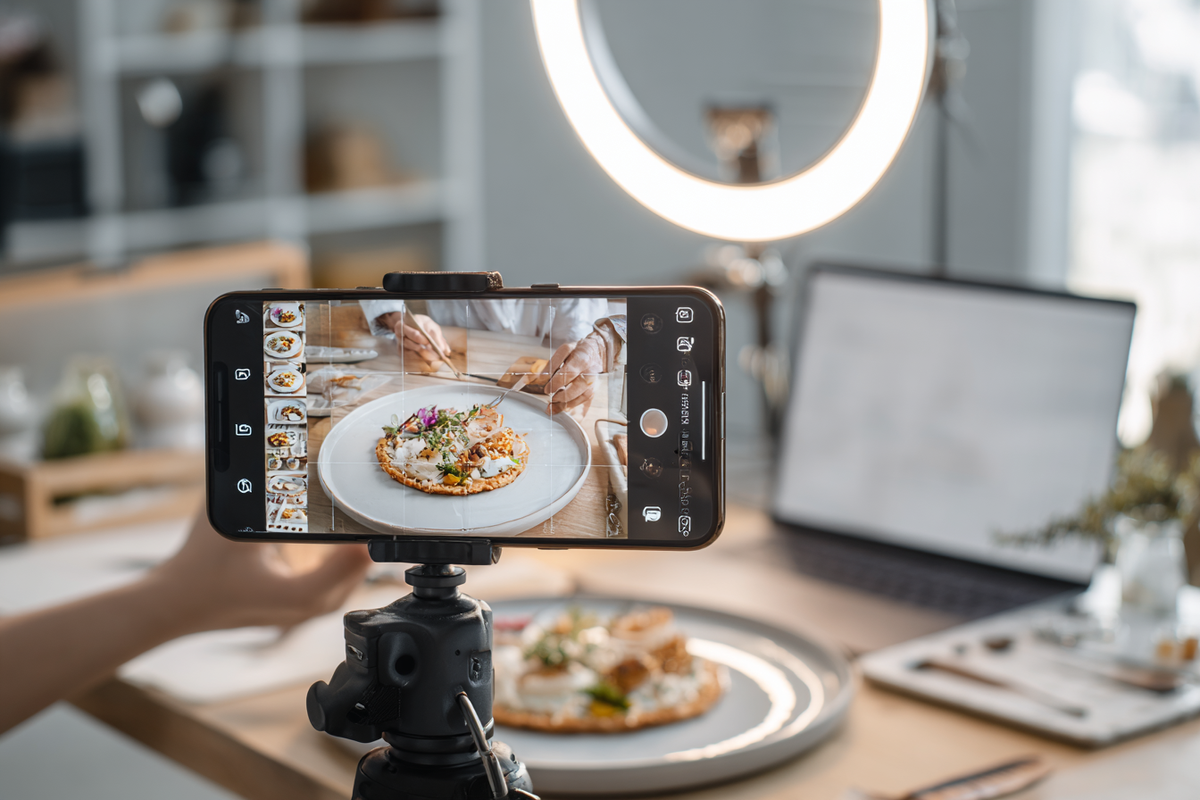
Social media is one of the most powerful marketing tools for private chefs. It allows you to showcase your culinary creations, build your brand, and attract clients—all for free (or minimal cost). This guide covers platform-specific strategies and best practices to grow your private chef business through social media.
Why Social Media Matters for Private Chefs
Visual Medium: Food is inherently visual—social media is perfect for showcasing your dishes.
Cost-Effective: Organic reach is free; paid advertising is affordable and targeted.
Trust Building: Behind-the-scenes content builds connection and credibility.
Local Reach: Geo-targeting helps you reach potential clients in your service area.
Choosing the Right Platforms
Instagram (Essential)
Why it works: Highly visual, food content performs well, local discovery features, story engagement.
Best for: Showcasing dishes, building brand aesthetic, attracting younger clients (25-45).
Facebook (Important)
Why it works: Older demographic (35-65), local business features, event promotion, community groups.
Best for: Community building, event promotion, reaching families and older clients.
TikTok (Growing)
Why it works: Viral potential, younger audience, authentic content, high organic reach.
Best for: Quick cooking tips, trending videos, reaching Gen Z and young millennials.
LinkedIn (Niche)
Best for: Corporate meal services, executive chef services, professional networking.
Instagram Strategy
Content Pillars (4-6 categories)
- Finished Dishes (40%): Beautiful final presentations
- Behind-the-Scenes (20%): Prep, cooking process
- Educational (15%): Cooking tips, nutrition info
- Client Experiences (15%): Testimonials, events
- Personal/Brand (10%): Your story, values
Posting Frequency
- Feed posts: 4-7 times per week
- Stories: Daily (minimum 3-5 stories/day)
- Reels: 3-5 times per week (highest reach)
- Best times: 11am-1pm and 7-9pm
Content Ideas
Feed posts: Plated dishes, before/after meal prep, testimonials, seasonal menus, ingredient spotlights.
Stories: Polls, Q&A sessions, day-in-the-life, quick tips, time-lapse prep.
Reels: Recipe tutorials (30-60 sec), knife skills, "Meal prep with me", trending audio + food, transformation videos.
Hashtag Strategy
Use 20-30 hashtags per post.
Mix:
- Local (5-8): #BostonChef #BostonPrivateChef
- Service-specific (5-8): #PrivateChef #PersonalChef #MealPrep
- Niche (3-5): #VeganChef #KetoMeals
- Food-general (5-8): #FoodPhotography #ChefLife
- Engagement (3-5): #FoodiesOfInstagram #F52Grams
Create branded hashtag: #ChefSarahCreates (use consistently)
Instagram Features
- Location Tags: Always tag your city/neighborhood
- Collaboration Posts: Partner with complementary businesses
- Guides: Create saved collections
- Highlights: Organize stories (Services, Testimonials, FAQ)
Growing Your Following
- Respond to every comment and DM
- Engage with local food accounts
- Participate in local hashtag communities
- Host giveaways (must follow to enter)
- Collaborate with micro-influencers
Facebook Strategy
Business Page Optimization
- Professional profile and cover photos
- Detailed About section
- Services listed with pricing
- Contact buttons (Book Now, Message)
- Reviews enabled and monitored
Content Strategy
- Share blog posts and articles
- Post client testimonials and reviews
- Create Facebook Events for tastings/classes
- Share user-generated content
- Go live while cooking
Facebook Groups
- Join local community groups
- Participate authentically (don't spam)
- Provide value and advice
- Share relevant content when appropriate
- Build relationships before promoting
Facebook Ads
Targeting options:
- Location radius (5-25 miles)
- Demographics (age, income, homeownership)
- Interests (healthy eating, cooking, food)
- Lookalike audiences (similar to current clients)
Ad types that work:
- Video ads (recipe demos, testimonials)
- Carousel ads (showcase multiple dishes)
- Lead generation ads (collect emails)
- Event promotion ads
Budget: Start with $5-10/day, scale what works.
TikTok Strategy
Content That Works
- Quick recipe videos (15-60 seconds)
- Cooking hacks and tips
- "Day in the life" content
- Reaction to food trends
- Educational content (nutrition, techniques)
- Relatable chef humor
TikTok Best Practices
- Hook viewers in first 3 seconds
- Use trending sounds and formats
- Add captions (many watch without sound)
- Post 1-3 times daily for growth
- Engage with comments immediately
- Participate in relevant challenges
Hashtag Strategy
- Mix trending and niche hashtags
- Use 3-5 hashtags max
- Include #FoodTok, #PrivateChef, #Cooking
- Create challenges with branded hashtag
Content Creation Best Practices
Food Photography Tips
Lighting: Natural light is best (near windows), avoid overhead harsh light, use diffusers.
Angles:
- Overhead (flat lay): Great for full table spreads
- 45-degree: Most flattering for plated dishes
- Straight-on: Good for tall dishes, burgers, layer cakes
Composition:
- Rule of thirds (place subject off-center)
- Negative space (don't overcrowd)
- Props (minimal, complementary)
- Garnishes (fresh herbs, microgreens)
Editing: Boost brightness slightly, increase contrast, enhance colors naturally, use consistent filters.
Video Content Tips
Quality basics:
- Clean background
- Good lighting
- Stable camera (tripod or prop)
- Clear audio (external mic if possible)
Engagement techniques:
- Text overlays (key points, recipes)
- Captions (accessibility and silent viewing)
- Music (trending or mood-appropriate)
- Jump cuts (keep it fast-paced)
- End with call-to-action
Caption Writing
Effective caption structure:
- Hook (first line grabs attention)
- Value (recipe, tip, story, or insight)
- Engagement (question or call-to-action)
- Hashtags (at the end or first comment)
Examples:
"This 15-minute weeknight dinner changed how my clients think about healthy eating. [Recipe/story]. What's your go-to quick healthy meal? #PrivateChef #HealthyEating"
Voice: Match your brand personality (professional, friendly, inspirational, educational).
Engagement and Community Building
Building Authentic Connections
Respond promptly: Reply to comments within 1-2 hours (boosts engagement).
Ask questions: Every few posts, ask followers for input or opinions.
Feature followers: Repost client photos (with permission), share testimonials, celebrate milestones.
Be consistent: Show up regularly, be recognizable in style and voice.
User-Generated Content
Encourage clients to share and tag you.
Strategies:
- Create a branded hashtag
- Ask permission to repost client photos
- Run contests ("Share your meal for a chance to win")
- Feature client transformations
- Showcase client events
Handling Negative Feedback
Response protocol:
- Respond quickly (within 24 hours)
- Acknowledge the concern
- Take conversation private (DM or email)
- Resolve the issue professionally
- Follow up publicly if appropriate
Never: Argue publicly, delete negative comments (unless spam/abusive), ignore complaints.
Paid Advertising Basics
When to Use Paid Ads
- Launching your business (awareness)
- Promoting special offers
- Event marketing (tastings, classes)
- Filling your calendar during slow periods
- Targeting new service areas
Ad Campaign Structure
Objective: Choose based on goal (awareness, traffic, leads, conversions).
Audience: Target specific demographics, interests, and locations.
Creative: Use high-quality images/videos, compelling copy, clear CTA.
Budget: Start small ($5-10/day), test and scale successful campaigns.
Duration: Run for at least 7 days to gather data.
Measuring Ad Performance
Key metrics:
- Reach and impressions
- Click-through rate (CTR)
- Cost per click (CPC)
- Cost per lead/conversion
- Return on ad spend (ROAS)
Optimization: Turn off underperforming ads, increase budget on winners, test new variations.
Analytics and Tracking
Metrics That Matter
Follower growth: Steady increase over time (quality over quantity).
Engagement rate: (Likes + Comments + Shares) / Followers × 100. Target: 3-5%+.
Reach: How many unique accounts see your content.
Website clicks: Traffic driven to your site from social.
Conversions: Inquiries, bookings, or sales from social media.
Save rate: Indicates valuable content people want to reference.
Tools for Tracking
Native analytics:
- Instagram Insights
- Facebook Business Suite
- TikTok Analytics
Third-party tools:
- Later (scheduling + analytics)
- Sprout Social (comprehensive)
- Hootsuite (multi-platform management)
Monthly review: Analyze what performed best, identify trends, adjust strategy.
Time Management for Social Media
Batch Content Creation
Process:
- Shoot multiple dishes in one session (one photoshoot day/week)
- Edit all photos in one sitting
- Write all captions in batches
- Schedule posts for the week/month
Time savings: 3-4 hours batching vs. 30 min daily (10+ hours/week saved).
Scheduling Tools
Later ($18-80/month): Visual planning, auto-posting, analytics.
Buffer ($6-120/month): Multi-platform scheduling, simple interface.
Meta Business Suite (Free): Schedule to Instagram and Facebook.
Planoly ($15-83/month): Visual Instagram planner, grid preview.
Sustainable Social Media Routine
Daily (15-30 min):
- Post Stories
- Respond to comments/DMs
- Engage with 10-20 accounts
Weekly (2-3 hours):
- Batch shoot content
- Edit photos/videos
- Write and schedule posts
Monthly (1-2 hours):
- Review analytics
- Plan content calendar
- Adjust strategy
Common Social Media Mistakes
- Posting inconsistently
- Only promotional content (no value)
- Ignoring comments and DMs
- Using poor-quality photos
- No clear brand identity
- Not engaging with others
- Buying followers (fake engagement)
- Over-editing photos (unrealistic)
- Neglecting Stories and Reels
- Not tracking results
Social Media Action Plan
Week 1: Setup and Strategy
- Optimize all profiles
- Define content pillars
- Research hashtags and competitors
- Plan first month of content
- Set up scheduling tool
Week 2-4: Content Creation and Posting
- Batch create content
- Post consistently (4-7x/week)
- Engage daily
- Monitor and respond
Month 2+: Optimize and Scale
- Review analytics monthly
- Double down on what works
- Test new content types
- Consider paid advertising
- Build partnerships and collaborations
Final Thoughts
Social media marketing for private chefs isn't about being everywhere—it's about showing up consistently where your ideal clients spend time. Focus on Instagram and Facebook first, add TikTok when you're ready for video, and always prioritize quality over quantity.
Your food is visual, your process is interesting, and your expertise is valuable. Social media gives you a free platform to showcase all three. Be authentic, provide value, engage genuinely, and the clients will come.
Remember: Social media is a long-term strategy. You won't go viral overnight, but consistent, quality content builds a loyal following that translates to booked calendars. Show up, be yourself, share your passion for food, and watch your private chef business grow.
0 Comments