
The email sits in your drafts folder, half-written. You've been staring at it for twenty minutes, cursor blinking mockingly at the end of an incomplete sentence: "I'd love to be your personal chef, but..."
But what? But you've never worked in a restaurant? But you don't have a culinary degree? But you're "just" a home cook who happens to make incredible food?
Here's the truth that no one tells you: some of the most successful personal chefs never went to culinary school. They never worked a dinner rush at a Michelin-starred restaurant. They simply had passion, skill, and the courage to start.
If you've been waiting for permission to turn your love of cooking into a personal chef business, consider this your sign.
Myth-Busting: You Don't Need Restaurant Experience
Let's address the elephant in the kitchen right away. Yes, having a culinary background gives you a head start. The techniques you learn in professional kitchens, the efficiency, the pressure management—these are valuable assets. But they're not prerequisites.
The personal chef industry is fundamentally different from restaurant work. Your clients aren't looking for someone who can perfectly execute a hundred covers in three hours. They're looking for someone who can create delicious, customized meals in the comfort of their own home. Someone who listens to their dietary needs, understands their family's preferences, and makes their daily life easier.
Restaurant experience teaches you to cook for volume and consistency. Personal chef work requires adaptability, client communication, and menu customization. These are different skill sets, and the latter can absolutely be developed outside of a commercial kitchen.
What matters more than your resume? Your ability to consistently prepare excellent food, manage your time effectively, communicate professionally, and solve problems on the fly. If you can back up your skills in the kitchen with real results—meals that wow, clients who trust you, and the business acumen to run your operation—you're already qualified to start.
Essential Skills Every Personal Chef Needs
Before you hang out your shingle, let's talk about what actually matters. The skills that will make or break your personal chef business have less to do with your ability to brunoise vegetables and more to do with your overall competence as both a cook and a businessperson.
Fundamental cooking techniques form your foundation. You need to understand proper knife skills, various cooking methods (roasting, sautéing, braising, steaming), how to season correctly, and basic food safety. Can you cook proteins to the proper temperature? Do you know how to build layers of flavor? Can you prepare vegetables so they're actually appealing?
Menu planning and customization separate good personal chefs from great ones. You'll need to design menus that accommodate dietary restrictions, allergies, preferences, and nutritional goals—often all at once. This means understanding how ingredients work together, how to substitute smartly, and how to create variety without reinventing the wheel every week.
Time management and efficiency will determine whether you can actually make money doing this. In a client's home, you're working with unfamiliar equipment, often limited space, and a specific time window. You need to prep smart, multitask effectively, and clean as you go.
Client communication might be your most important skill. You're not just cooking—you're building relationships. Can you ask the right questions to understand what people actually want? Can you set clear expectations? Can you handle feedback gracefully and adjust accordingly?
Food safety and sanitation are non-negotiable. You must understand proper food handling, storage temperatures, cross-contamination prevention, and allergen management. Your clients are trusting you with their health and their children's health. Take this seriously.
Basic business skills round out your toolkit. You need to price your services appropriately, track expenses, manage your schedule, invoice clients, and handle the administrative side of self-employment. You don't need an MBA, but you do need to treat this like the business it is.
Self-Assessment: Are You Ready to Start?
Before you invest time and money into training or equipment, take an honest inventory of where you stand. This isn't about discouraging you—it's about identifying what you need to work on so you can build a solid foundation.
Ask yourself these questions:
Can you consistently produce restaurant-quality food in your home kitchen? Not just one signature dish, but a variety of meals across different cuisines and dietary needs? Your friends and family raving about your cooking is a good sign, but be honest about whether you can do this reliably, day after day.
Do you understand food safety fundamentals? Can you explain the temperature danger zone, proper thawing methods, and how to prevent cross-contamination? If these concepts are fuzzy, that's okay—but it means you need training before you cook in someone else's home.
How's your knife work? You don't need to be lightning-fast, but you should be safe, efficient, and confident with your knife. Slow and steady is fine when you're starting out, but you need to be able to prep ingredients without risk of injury.
Can you work in different kitchen environments? Some clients have dream kitchens with every tool imaginable. Others have one dull knife and a microwave from 1997. Are you adaptable enough to work with what's available?
Do you have the stamina for this work? Personal chef work is physically demanding. You'll be on your feet for hours, lifting heavy pots, carrying groceries, and working in various conditions. Make sure you're ready for the physical reality of the job.
Are you self-motivated and organized? Nobody is going to manage your schedule, remind you to order groceries, or push you to follow up with potential clients. You're building a business, which means you need to be your own boss in the truest sense.
If you found gaps in your assessment, don't panic. Every successful personal chef started somewhere, and the gaps you identified are simply your roadmap for growth.
Building Your Skills Through Practice and Training
The beautiful thing about developing your skills as a personal chef is that you don't need to spend tens of thousands on culinary school to get started. Yes, formal education has value, but there are numerous pathways to building competence and confidence.
Free Resources and Online Courses
Start with the wealth of free information available online. YouTube channels like America's Test Kitchen, Serious Eats, and Bon Appétit offer professional-level technique videos. Watch them not just for recipes, but for the why behind techniques. Understanding the science of cooking will make you infinitely more adaptable.
For structured learning, look into affordable online personal chef training programs. These courses cover everything from menu planning to business setup, often for a fraction of the cost of traditional culinary school. Search for "online personal chef training" and look for programs with strong reviews and comprehensive curricula that cover both cooking skills and business fundamentals.
ServSafe offers online food safety certification, which is absolutely essential. Many areas require this certification, and even if yours doesn't, having it demonstrates professionalism and competence. The course typically costs under $200 and can be completed in a day or two.
Don't overlook cookbooks as learning tools. Find books that explain techniques, not just recipes. "Salt, Fat, Acid, Heat" by Samin Nosrat, "The Food Lab" by J. Kenji López-Alt, and books by Jacques Pépin offer incredible foundations in how cooking actually works.
Hands-On Learning Opportunities
Theory only gets you so far. You need to cook, repeatedly and consistently, to develop real skill.
Start by cooking for friends and family with intention. Don't just make dinner—create a full menu, time everything to be ready simultaneously, plate thoughtfully, and ask for honest feedback. Treat these meals as practice runs for the real thing.
Consider volunteering to cook for community events, church gatherings, or fundraisers. These low-pressure environments let you cook for larger groups and receive feedback while contributing to your community.
Look for part-time positions that build relevant skills without requiring restaurant experience. Catering companies, meal prep services, and cooking schools often hire kitchen assistants or prep cooks. Even a few months in these environments can dramatically accelerate your learning.
Take local cooking classes, not as a student, but as a networker. Community colleges, culinary stores, and independent instructors offer classes that can help you refine specific techniques while connecting you with other food enthusiasts and potential mentors.
Working with Mentors
Finding someone who's already doing what you want to do can shave years off your learning curve. A mentor can answer questions, review your menus, help you navigate challenging client situations, and provide encouragement when imposter syndrome hits hard.
How do you find a mentor? Start by identifying personal chefs in your area—check local Facebook groups, Instagram, or even just Google "personal chef [your city]." Reach out respectfully, acknowledging that their time is valuable. Offer to assist them for free on a cook day, or ask if they'd be willing to have a 30-minute coffee chat to share advice.
Not every personal chef will respond, and that's okay. Some are too busy, some are protective of their client base. But many are generous with their knowledge, especially if you're not in direct competition (perhaps you're focusing on different dietary niches or serving different neighborhoods).
If you can't find a local mentor, look online. Join personal chef Facebook groups, follow established personal chefs on social media, and participate in conversations. The community is often more welcoming than you might expect.
Creating Your First Practice Menus
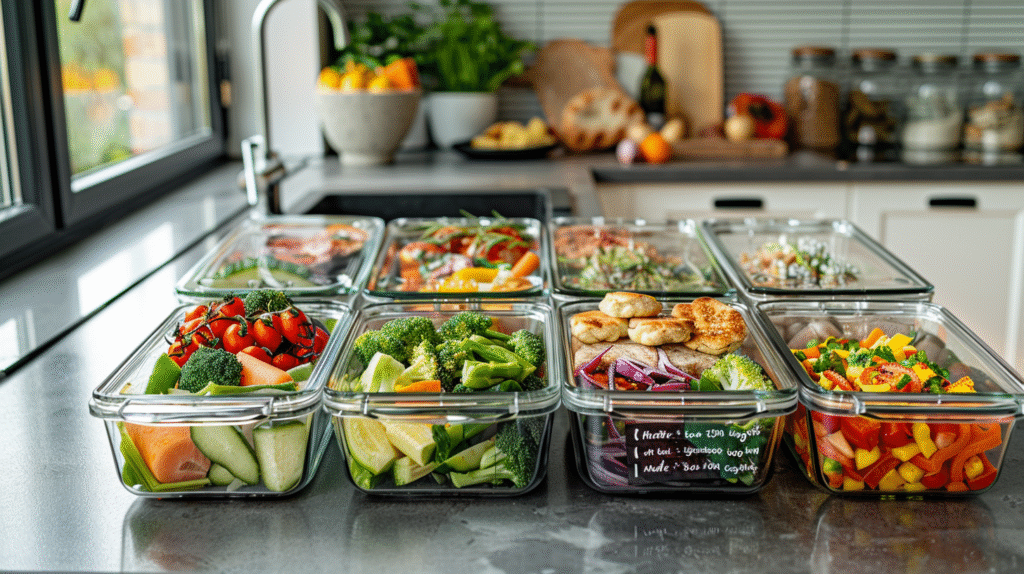
One of the best ways to build confidence and identify skill gaps is to create and execute complete menus before you have paying clients. This process reveals what you don't know and gives you concrete examples to show potential clients.
Start with a weekly menu for an imaginary family. Let's say it's a family of four with two young children, one adult who doesn't eat red meat, and one child with a mild dairy sensitivity. Create five dinners that accommodate these needs while being kid-friendly, nutritious, and varied.
Now actually cook those meals. Time yourself. Notice which dishes take longer than expected. Identify where you struggle with timing so everything finishes together. Pay attention to how much active cooking time versus passive time each dish requires—this matters when you're trying to be efficient in a client's kitchen.
Document everything. Take photos of your plated dishes. Write detailed notes about what worked and what didn't. Keep track of ingredient costs. This documentation becomes part of your portfolio and helps you price services accurately later.
Try different menu styles to understand what you enjoy and excel at. Create a menu focused on meal prep—proteins and sides that reheat well, packaged in individual portions. Then try a family-style dinner party menu for eight people. Maybe challenge yourself with a special dietary restriction menu like Whole30 or low-FODMAP.
Each menu you execute teaches you something. You'll discover that you love the creativity of accommodating complex dietary needs, or that you're particularly skilled at batch cooking, or that you thrive on the pressure of dinner party preparation. These insights will help you position your business later.
Pay special attention to the dishes that consistently turn out well and get rave reviews. These become your signature offerings, the meals you can confidently promise to new clients because you've made them dozens of times.
Getting Your First Clients as a Beginner

Here's the catch-22 of starting any service business: clients want experience, but you can't get experience without clients. The solution? Create opportunities that build both your skills and your reputation simultaneously.
Start with your immediate network, but be strategic about it. Rather than randomly offering to cook for friends, identify people who genuinely need personal chef services—the new parents who are overwhelmed, the elderly neighbor who's struggling to cook for themselves, the busy professional couple who eat takeout every night.
Offer your services at a significantly reduced rate (or even free for your very first clients) in exchange for detailed feedback and permission to use them as a reference. Be transparent: "I'm building my personal chef business and would love to provide you with meal prep services at a reduced rate while I establish my client base. In return, I'd appreciate your honest feedback and, if you're happy with my work, a testimonial I can share with future clients."
Most people understand that everyone starts somewhere. Your honesty about being new, combined with great cooking and professionalism, often earns you more respect than pretending to have experience you don't have.
Create a simple portfolio as you go. Photos of meals you've prepared, testimonials from your early clients, sample menus, and a clear description of your services all help establish credibility. A basic website or even just a well-organized Instagram account can serve as your portfolio when you're starting out.
Leverage local community boards, both online and physical. Nextdoor, local Facebook groups, and community centers often allow service providers to introduce themselves. Share your story—the passionate home cook turning professional—and offer an introductory special for your first few clients.
Consider niching down initially. Maybe you specialize in healthy meals for busy families, or comfort food for seniors, or meal prep for fitness enthusiasts. A specific focus makes it easier to find your first clients and develop targeted skills, even if you expand your offerings later.
Ask every satisfied client for referrals. Word of mouth is the lifeblood of personal chef businesses. Make it easy for people to recommend you by providing them with your contact information on a card or digital format they can share.
Overcoming Imposter Syndrome
Let's talk about the voice in your head that says you're not qualified, not experienced enough, not legitimate. That voice is lying to you, but it's also remarkably persistent.
Imposter syndrome is particularly common for self-taught professionals entering fields traditionally dominated by formally educated practitioners. You see personal chefs with culinary degrees and restaurant pedigrees, and you think, "Who am I to call myself a chef?"
Here's what you need to remember: your value doesn't come from your credentials—it comes from the results you deliver. If you prepare delicious, safe, customized meals that improve your clients' lives, you're doing the job successfully. Full stop.
The chef who graduated from Le Cordon Bleu isn't inherently better at understanding Mrs. Johnson's aversion to cilantro or figuring out how to make vegetables appealing to a picky eight-year-old. These practical, client-focused skills are what personal chef work requires, and you develop them through doing, not through studying.
When imposter syndrome strikes, ground yourself in the facts. You can cook well—you have evidence of this. You've studied food safety. You've practiced your menus. You've delivered meals that people enjoyed. These are facts, not feelings.
Reframe your lack of traditional experience as an asset in your marketing. Many clients actually prefer personal chefs who come from non-restaurant backgrounds because they bring a different energy—less high-pressure, more home-focused. Your background as a home cook who elevated your skills is relatable and appealing to families looking for comforting, approachable meals.
Build a support system of other personal chefs, preferably those who also started without traditional credentials. Their stories and encouragement will remind you that your path is valid and that success isn't reserved for those with conventional backgrounds.
Remember that growth is gradual. You won't know everything on day one, and that's okay. Every experienced personal chef was once exactly where you are now, feeling unsure and underqualified. They succeeded not because they were perfect from the start, but because they started and then kept going.
Finally, fake it till you make it doesn't mean lying about your experience. It means acting with the confidence and professionalism of an established personal chef even when you feel uncertain inside. Confidence is a practice, not a prerequisite.
Action Plan for Getting Started
You've made it this far, which means you're serious about this. Now it's time to turn information into action. Here's your concrete roadmap for the next 90 days.
Month One: Skill Building and Planning
Week 1-2: Get your food safety certification. This is non-negotiable and gives you immediate credibility. While completing the course, start researching online personal chef training programs that fit your budget and schedule.
Week 3-4: Create and execute three complete weekly menus (five dinners each). Cook everything, time yourself, document with photos, and note ingredient costs. Invite friends over to taste and provide feedback. Use this time to identify gaps in your technique or knowledge.
Month Two: Foundation and Practice
Week 1-2: Set up the basic structure of your business. Choose a business name, create a simple price list, and set up a separate bank account for business expenses. Draft a basic service agreement and questionnaire for gathering client information.
Week 3-4: Find your first practice clients—two or three friends, family members, or acquaintances who will let you cook for them at a reduced rate in exchange for testimonials. Execute at least four cook sessions, treating each as if it's a full-price client engagement.
Month Three: Going to Market
Week 1-2: Create your portfolio using photos and testimonials from your practice clients. Set up a simple online presence—this can be an Instagram account, a Facebook page, or a basic website using Wix or Squarespace.
Week 3-4: Start marketing to real clients. Post in local community groups, tell everyone you know about your services, and reach out to your network with a professional announcement. Aim to book at least two paying clients by the end of the month.
Ongoing Priorities
Throughout these 90 days and beyond, commit to continuous learning. Watch technique videos weekly, try new recipes regularly, and stay current on dietary trends your clients might request. Join personal chef groups on social media and participate in discussions.
Track everything—your time, expenses, client feedback, and lessons learned. This data will help you improve your efficiency and pricing as you grow.
Set weekly and monthly goals, but stay flexible. Maybe you'll get your first paying client in week six instead of week twelve. Maybe food safety certification takes longer than expected. Adjust your timeline as needed, but keep moving forward.
Most importantly, start before you feel ready. You'll never feel completely prepared, and that's okay. Every personal chef started with their first client, their first menu, their first moment of uncertainty in an unfamiliar kitchen. Your journey begins the moment you decide it does.
The path from passionate home cook to professional personal chef isn't always linear, and it certainly isn't one-size-fits-all. While a culinary background gives you an advantage, it's not the deciding factor in your success. What matters is your commitment to developing your skills, serving your clients excellently, and building a sustainable business.
You don't need years in a restaurant kitchen to bring joy to people through food. You don't need a prestigious culinary degree to make a meaningful difference in a busy family's life. You need passion, teachability, persistence, and the courage to start.
The kitchen is waiting. Your first client is out there. And you're more ready than you think.
Now go make something delicious.
Get your copy of our 2025 Private Chef Pricing and Salary Guide Here.
0 Comments