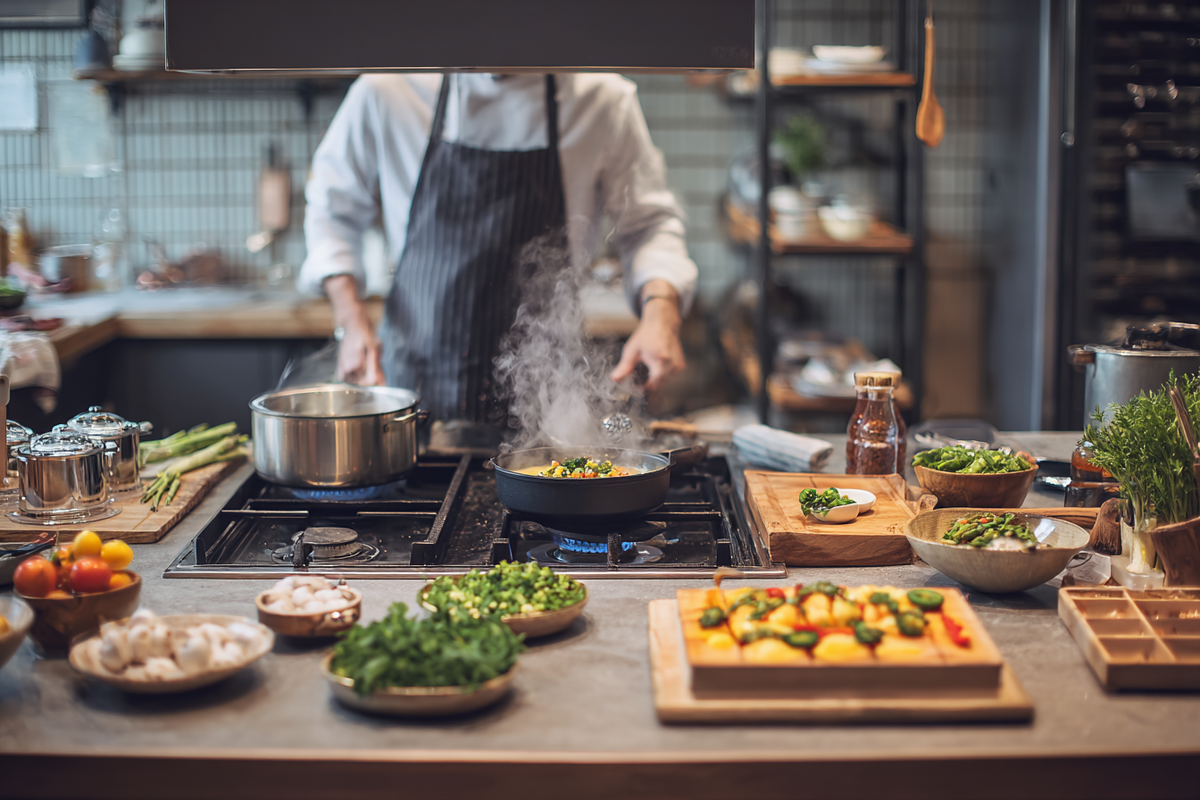
Efficient meal preparation is the backbone of a successful private chef business. Whether you're preparing weekly meals for busy families or executing multi-course dinner parties, having streamlined systems saves time, reduces stress, and increases profitability.
Why Meal Prep Systems Matter
Time Efficiency: Organized systems can cut prep time by 30-50%.
Consistency: Templates ensure reliable quality regardless of how busy you are.
Profitability: Faster prep means you can serve more clients without working longer hours.
Reduced Stress: Clear processes eliminate decision fatigue and last-minute scrambling.
Scalability: Well-documented systems make it easier to hire help and grow.
Master Meal Planning Templates
Weekly Meal Prep Template
Template Structure: 5-7 dinner entrees, complementary sides, breakfast/lunch options, snacks.
Example: Balanced Weekly Template:
- Protein rotation: Chicken, fish, beef/pork, vegetarian, seafood
- Cooking methods: Grilled, roasted, sautéed, braised, fresh
- Cuisine variety: American, Mediterranean, Asian, Mexican, Italian
- Sides formula: 2 vegetables + 1 starch per meal
Customization Points: Swap proteins based on preferences, adjust portions, modify for dietary restrictions, vary cuisines.
Dietary-Specific Templates
Keto: High-fat proteins, low-carb vegetables, healthy fats, keto-friendly sauces.
Vegan: Plant proteins (tofu, tempeh, legumes), whole grains, abundant vegetables, nuts and seeds.
Paleo: Quality meats and seafood, vegetables and fruits, nuts and seeds, no grains/dairy/legumes.
Dinner Party Menu Templates
Classic 3-Course: Appetizer, main course, dessert.
Elegant 4-Course: Amuse-bouche, soup/salad, main with sides, dessert.
Fine Dining 5-Course: Amuse-bouche, first course, palate cleanser, main, dessert.
Menu Balance Checklist: Variety in textures, colors, flavors, temperatures; no repeated ingredients.
Shopping and Ingredient Systems
Master Shopping List Template
Organize by store section:
- Produce
- Proteins
- Dairy
- Pantry
- Frozen
- Specialty
Digital Tools: Paprika, AnyList, Mealime, or simple spreadsheet.
Vendor Relationship System
Establish preferred suppliers for: primary grocery, butcher, fish market, specialty produce, organic store, ethnic markets.
Benefits: Better prices, quality recommendations, custom orders, priority service, consistent products.
Ingredient Prep Ahead
What to prep in advance: Wash and chop vegetables (2-3 days), marinate proteins (day before), make stocks/sauces (week ahead, freeze), portion dry ingredients, pre-measure spices.
Storage tips: Airtight containers, label with dates, store properly, keep herbs fresh in damp paper towels.
Time-Saving Prep Techniques
Batch Processing
Batch cooking methods:
- All chopping first
- Cook multiple proteins simultaneously
- Make large batches of grains
- Double or triple sauce recipes
Equipment: Large sheet pans, multiple pots and pans, food processor, Instant Pot.
The Mise en Place Method
Steps:
- Read all recipes thoroughly
- List every ingredient
- Prep and measure everything before cooking
- Organize by recipe and cooking order
- Set up cooking stations
- Clean as you go
Multitasking Strategies
Efficient combinations: Roast proteins while prepping vegetables, simmer stocks while doing other prep, cook grains while proteins rest, clean while items are in oven.
Kitchen zones: Prep zone, cooking zone, plating zone, cleaning zone.
Smart Equipment Use
Time-saving appliances:
- Instant Pot: Hands-off soups, stews, grains
- Food processor: Quick chopping, sauces
- Immersion blender: Blend soups in pot
- Rice cooker: Perfect grains, frees up burner
- Mandoline: Uniform slicing
Storage and Portioning Systems
Container Organization
Types: Glass (microwave-safe, no staining), BPA-free plastic (lightweight), divided containers, various sizes (16oz, 24oz, 32oz).
Labeling system: Dish name, date prepared, reheating instructions, dietary info, consumption timeline.
Tools: Label maker, waterproof markers, printed stickers, masking tape.
Portioning Guidelines
Standard portions:
- Protein: 4-6 oz cooked
- Grains/starches: 1/2 to 1 cup
- Vegetables: 1 to 2 cups
- Sauces: 2-4 oz
Tools: Kitchen scale, measuring cups, portion scoops, visual guides.
Storage Optimization
Fridge organization:
- Top shelf: Ready-to-eat meals
- Middle: Proteins and prepared components
- Bottom: Raw proteins
- Drawers: Fresh vegetables and fruits
- Door: Condiments and sauces
Freezer strategy: Freeze soups/stews (3 months), sauces in portions, cooked grains (flatten in bags), label everything.
Recipe and Menu Management
Digital Recipe Organization
Apps: Paprika, ChefTap, Evernote, Google Drive/Sheets.
Categories: By protein, cuisine, dietary restriction, cooking method, season, prep time.
Recipe Scaling System
Principles: Linear scaling for most ingredients. Exceptions: Salt (scale down slightly), leavening agents (calculate carefully), cooking times (adjust for volume).
Batch multipliers: 1x (single family), 2-3x (multiple families), 4-5x (small events), 10x+ (large events).
Seasonal Menu Planning
Seasonal template:
- Spring: Asparagus, peas, lamb, fresh herbs
- Summer: Tomatoes, zucchini, berries, grilled items
- Fall: Squash, root vegetables, apples, braised dishes
- Winter: Hearty greens, citrus, roasts, stews
Client Communication Systems
Menu Approval Workflow
Timeline:
- 7 days before: Send proposed menu
- 5 days before: Client feedback/approval
- 4 days before: Finalize menu, shopping list
- 3 days before: Shop and begin prep
- 1-2 days before: Advance prep
- Service day: Final cooking and delivery
Client Preferences Database
Track: Dietary restrictions, liked/disliked ingredients, portion preferences, cuisine favorites, kitchen equipment, family schedule, past menus.
Tools: CRM software, spreadsheet, note-taking app, client folders.
Quality Control Systems
Prep Day Checklist
Before starting:
- All recipes reviewed
- All ingredients on hand
- Equipment ready and clean
- Containers and labels prepared
- Schedule/timeline created
During prep:
- Follow timeline strictly
- Taste and adjust seasonings
- Check temperatures
- Clean continuously
- Document any changes
Before delivery:
- Final quality check
- Proper portioning verified
- Labels complete and accurate
- Storage instructions provided
- Client communication sent
Temperature and Safety Tracking
Critical temperatures:
- Poultry: 165°F
- Ground meats: 160°F
- Whole cuts beef/pork: 145°F
- Fish: 145°F
- Leftovers reheated: 165°F
Safety practices: Use thermometer for all proteins, cool food rapidly (shallow containers, ice bath), label with dates, follow "first in, first out" rotation.
Workflow Optimization
Standard Operating Procedure Template
Create SOPs for repeated tasks:
Weekly Meal Prep SOP Example:
- Client consultation and menu planning (Day 7)
- Menu approval and adjustments (Day 5)
- Shopping list creation (Day 4)
- Grocery shopping (Day 3)
- Prep day 1: Washing, chopping, marinating (Day 2)
- Prep day 2: Cooking and portioning (Day 1)
- Delivery and client handoff (Service day)
Time Blocking for Maximum Efficiency
Sample prep day schedule:
- 8:00-9:00 AM: Setup, mise en place
- 9:00-11:00 AM: Protein cooking (batch)
- 11:00 AM-1:00 PM: Vegetables and sides
- 1:00-2:00 PM: Lunch and quick clean
- 2:00-4:00 PM: Assembly and portioning
- 4:00-5:00 PM: Labeling, storage, final cleanup
- 5:00-6:00 PM: Delivery or client pickup
Continuous Improvement
Track metrics:
- Time per meal/service
- Ingredient waste percentage
- Client satisfaction scores
- Repeat booking rate
- Profitability per service type
Monthly review: What worked well? What took longer than expected? What can be batched better? What tools would help?
Troubleshooting Common Prep Challenges
Running Behind Schedule
Solutions: Have backup simple dishes ready, prep components that travel well (finish at client location), delegate to assistant or partner, communicate delays to client early.
Ingredient Substitutions
Build substitution knowledge: Keep chart of common swaps, understand flavor profiles, communicate changes to clients, document for future reference.
Kitchen Equipment Failures
Backup plan: Portable induction burner, know alternate cooking methods, have hand tools as backup for appliances, maintain equipment regularly.
Client Last-Minute Changes
System: Charge change fees for requests within 48 hours, keep versatile ingredients on hand, have flexible recipes, build buffer into schedule.
Scaling Your Meal Prep Systems
When to Hire Help
Consider assistance when:
- Consistently at capacity
- Turning down work
- Prep taking too long
- Quality suffering from rushing
- Burnout setting in
What to Delegate First
Low-skill, high-time tasks: Shopping, basic chopping, portioning, labeling, cleanup.
Training tips: Document everything, create checklists, demonstrate first, supervise initially, give feedback.
Multiple Client Coordination
Strategies: Batch similar menus, shop for multiple clients together, prep shared ingredients, stagger delivery times, use shared commercial kitchen if needed.
Tools and Resources
Essential Meal Prep Tools
- Professional knives and cutting boards
- Food storage containers (variety of sizes)
- Kitchen scale and measuring tools
- Labeling system
- Recipe management software
- Thermometer
- Sheet pans and cookware
Recommended Apps and Software
- Recipe management: Paprika, ChefTap
- Meal planning: Mealime, PlateJoy
- Shopping: AnyList, Out of Milk
- Time tracking: Toggl, Harvest
- Client management: Dubsado, HoneyBook
Educational Resources
- ServSafe food safety certification
- Meal prep efficiency courses
- Business systems training
- Culinary technique videos
- Private chef associations
Final Thoughts
Efficient meal prep systems are what separate profitable private chef businesses from those that struggle. By implementing templates, optimizing workflows, and continuously improving processes, you can serve more clients while working fewer hours.
Start by documenting your current process, identify bottlenecks, and implement one system at a time. Use templates for planning, batch your prep work, leverage technology, and track your results.
Remember: every hour saved in prep is an hour you can spend on client acquisition, business development, or personal time. Invest in building solid systems now, and you'll reap the rewards throughout your private chef career.
Your culinary skills got you into this business—but efficient systems will help you thrive and scale. Master these meal prep fundamentals, and watch your private chef business transform from chaotic to streamlined, from surviving to thriving.
0 Comments